What is ADHD?What is ADHD?
ADHD (attention deficit hyperactivity disorder) is a difference in how the brain manages attention, activity, impulses and emotions. It isn’t a lack of attention: it’s difficulty choosing where attention goes. ADHD is lifelong, and many people aren’t recognised until adulthood.
ADHD is a different way your brain works. It can be hard to choose what to pay attention to. You are born with ADHD.
How ADHD can show upWhat ADHD can be like
- Attention. Boring tasks are very hard to start or finish, while interesting ones can bring “hyperfocus” for hours.
- Executive function. Planning, remembering, time and organising take extra effort. “Time blindness” is common.
- Restlessness. This can be moving a lot, or a busy mind that won’t switch off.
- Impulsiveness. Acting or speaking quickly, before thinking it through.
- Big emotions. Feelings can be strong and fast, including being very sensitive to rejection.
- Boring jobs are very hard. Fun jobs are easy.
- It is hard to plan and remember things.
- Your body or your mind is busy.
- You may do things quickly without thinking.
- Feelings can be very big.
Doctors describe three presentations: mostly inattentive, mostly hyperactive-impulsive, or combined. They can change over a lifetime.
ADHD is different for each person.
StrengthsGood things
People with ADHD are often creative, curious, energetic, quick to spot connections, brave and great in a crisis.
People with ADHD are often creative, curious and full of ideas.
SupportGetting help
Supports include understanding your brain, tools like timers, lists and body doubling (doing tasks alongside someone), changes at school or work, coaching or therapy, and medication for some people. Australia has a national clinical guideline (AADPA). Talk to your GP, who can refer you to a psychiatrist or paediatrician for assessment.
Timers and lists can help. Some people take medicine. Talk to your doctor (GP).
Try the task simplifier and the visual timer: they were made with ADHD brains in mind.
Try our small steps tool and timer.
Executive function and time blindnessPlanning and time
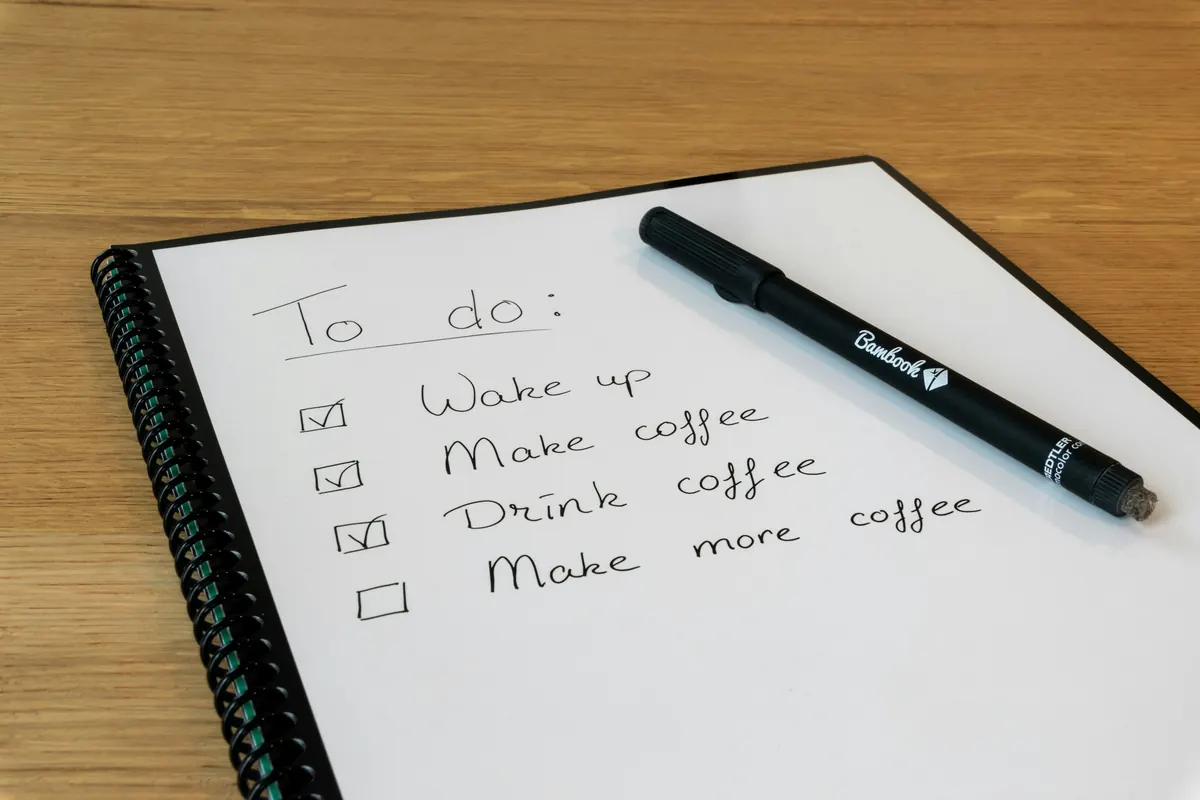
Executive function is the brain’s “manager”: planning, starting, switching between tasks, remembering what you meant to do and keeping track of time. With ADHD these take a lot more effort, and “time blindness” (losing track of time, or only feeling “now” and “not now”) is very common. It isn’t laziness or not caring.
Planning, starting jobs and keeping track of time can be very hard with ADHD. It is not laziness.
What can helpWhat helps
- Put time where you can see it: a visual timer, analogue clocks or phone alarms with labels.
- Break tasks into tiny first steps with the task simplifier.
- Write things down outside your head: one list, one calendar, and reminders on the things you’ll see.
- Body doubling: work alongside someone, in person or online.
- Add buffer time before appointments, and set a “start getting ready” alarm.
- Use a timer you can see.
- Make a big job into small steps.
- Write things down.
- Work next to someone.
Interest, motivation and hyperfocusFocus and fun

Many ADHDers find motivation comes from interest, novelty, challenge or urgency, rather than from importance. That’s why a deadline tomorrow can unlock hours of focus, and a favourite topic can bring “hyperfocus”: deep focus where time disappears. Hyperfocus is a strength, but it can also mean forgetting to eat, rest or stop.
With ADHD, it is easier to focus on things that are fun, new or urgent. Sometimes you focus so hard you forget to eat or rest.
What can helpWhat helps
- Make boring tasks more interesting: music, a game, a challenge, a change of place or a reward.
- Create gentle urgency: a short timer or a check-in with a friend.
- Pair a dull task with something you enjoy.
- Set an alarm to come out of hyperfocus for food, water and rest.
- Make boring jobs more fun.
- Use a short timer.
- Set an alarm to eat and rest.
Rejection sensitivity (RSD)When rejection hurts a lot
Rejection sensitive dysphoria (RSD) describes very strong emotional pain when you feel rejected, criticised or like you’ve failed, even when that wasn’t meant. The term comes from ADHD clinicians and many ADHDers and autistic people relate to it. It isn’t a formal diagnosis, but the experience is real.
RSD means feeling very hurt when you think someone does not like you. The hurt is very big and comes fast.
What it can look likeWhat it can be like
- A sudden wave of hurt, shame or anger that feels out of proportion.
- Replaying a conversation over and over.
- People-pleasing, or avoiding trying new things in case you fail.
- Perfectionism.
- Pulling away from people before they can reject you.
- A big wave of hurt.
- Thinking about it again and again.
- Trying to please everyone.
What can helpWhat helps
- Name it: “this is RSD, and it will pass.”
- Pause before replying to a message that hurt.
- Ask what someone meant, instead of guessing.
- Be kind to yourself, the way you would to a friend.
- Tell people you trust, so they can reassure you.
- A neurodiversity-affirming therapist can help. If you have ADHD, talk to your doctor, as treatment can help some people.
- Say: “This feeling will pass.”
- Wait before you answer.
- Ask what people meant.
- Be kind to yourself.
Sleep and ADHDSleep
Sleep problems are very common with ADHD: up to 70% of children with ADHD have trouble sleeping, and many adults do too. A busy mind at night, a body clock that runs late (“night owl”), hyperfocus that runs past bedtime and some ADHD medicines can all play a part. Poor sleep then makes attention, mood and memory harder the next day.
Many people with ADHD find it hard to sleep. Then the next day is harder.
What can helpWhat helps
- Set a “start winding down” alarm, not just a bedtime alarm.
- Keep a calm, predictable routine for the last hour: low light, the same steps each night.
- Park busy thoughts: write a quick list of tomorrow’s jobs or worries before bed.
- Try calm input that holds your attention without exciting it: an audiobook, podcast, brown noise or the calm corner.
- Get daylight and movement in the morning to help reset a late body clock.
- If you take ADHD medicine and sleep is hard, ask your doctor about the timing or type. Snoring or restless legs are worth checking too.
- Set an alarm to start getting ready for bed.
- Do the same calm steps each night.
- Write down your thoughts before bed.
- Listen to something calm.
- Talk to your doctor if sleep is hard.
ADHD in women and girlsADHD in girls and women
ADHD is also often missed in women and girls, especially the inattentive kind.
ADHD is often missed in girls and women.
ADHD signs that are often missedADHD signs that are often missed
- Daydreaming and being “away with the fairies”, rather than hyperactive.
- Talking a lot, interrupting, or a very busy mind.
- Disorganisation, lost things and time blindness, often hidden by working much harder.
- Big emotions and rejection sensitivity (see RSD).
- Many people notice ADHD traits change with hormones, such as across the menstrual cycle, during pregnancy and in perimenopause.
- Daydreaming.
- Talking a lot.
- Losing things.
- Big feelings.
Treatment and supportGetting help
Support for ADHD can include learning about your brain, practical strategies, coaching, therapy, adjustments at school or work, and medication for some people. The Australian ADHD Clinical Practice Guideline (AADPA) sets out what works.
Help for ADHD can be tips, coaching, therapy, changes at work or school, and medicine for some people.
- Assessment. Start with your GP, who can refer you to a psychiatrist (adults) or a paediatrician (children). Wait times and costs vary.
- Medication. Stimulant and non-stimulant medicines help many people. Rules on who can prescribe differ between states and have been changing, so ask your GP what applies where you live.
- Therapy and coaching. Look for someone who understands ADHD and is neurodiversity-affirming. A Mental Health Treatment Plan can lower the cost of psychology sessions.
- Work and study. You can ask for adjustments, like written instructions, flexible hours or a quieter space. JobAccess can help.
- Talk to your doctor (GP) first.
- Some people take medicine. Ask your doctor.
- A therapist or coach can help.
- You can ask for changes at work or school.
Find services by country on the resources page.
See places that can help.
Where this comes fromWhere we got this
- ADHD Australia
- AADPA: Australian ADHD Clinical Practice Guideline
- Raising Children Network – Australian Government-funded guides for families
- Neurodivergent Insights – guides by Dr Megan Anna Neff, an AuDHD psychologist
- ADDitude – ADHD articles, including on RSD
- Sleep Health Foundation: ADHD and sleep – Australian sleep charity
- Yellow Ladybugs – autistic girls, women and gender-diverse people
- Reframing Autism – autistic-led Australian organisation
- JobAccess – Australian Government help with workplace adjustments
Checked November 2026. This is general information, not medical advice.
This is not advice from a doctor.